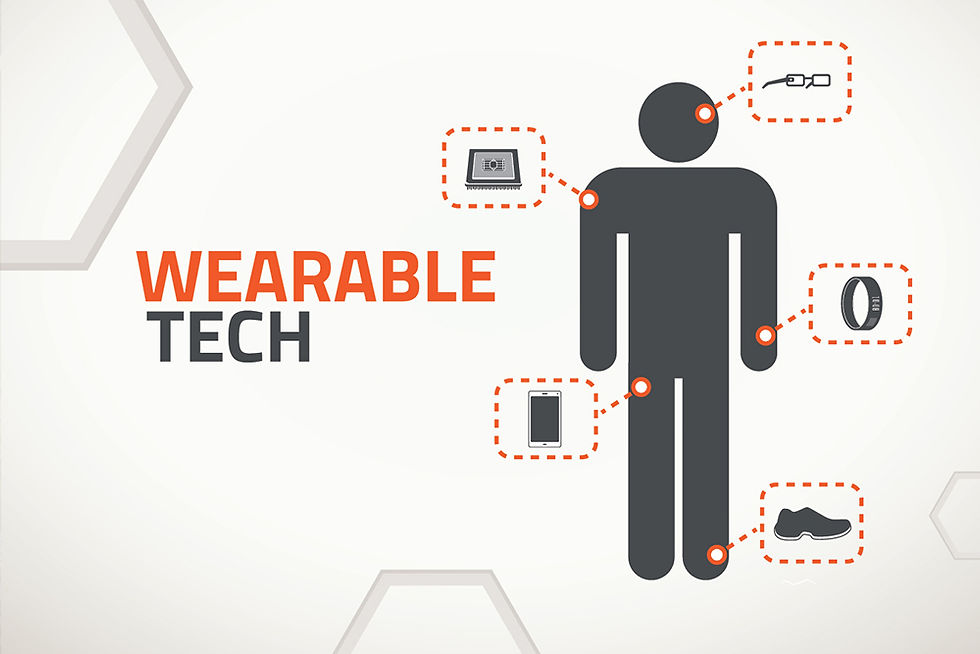


Wearable Devices
1. Pebble Steel
2. Fit bit flex
3. Jawbone UP3
4. Motorola Moto 360
5. LG G Watch R
6. Fitbit Charge HR
7. Sony SmartWatch 3
8. Samsung Gear Live
9. Garmin Forerunner 620
10. Martian Notifier
11. Whistle
12. Moov
13. Ringly
14. Project Morpheus
15. Barclaycard
16. Apple Watch
17. Epson Moverio BT-200 - Smart Glasses - Developer Version
18. VUZIX M100 Smart Glasses Prosumer, Gray,
19. Lg - Watch Urbane Smartwatch 46mm Stainless Steel - Silver Leather
20. Pebble
21. android smart bracelet d3 waterproof bluetooth
22. Ring Wearable Adhesive Phone Stand & Mount for Mobile Phon
Automobile
1. Volvo
2. BMW
3. GM
4. Ford
5. Chevrolet
6. Honda
7. Audi
8. Jaguar
9. acura
10. Bentley
11. Citroen
12. Subaru
13. Volkswagen
Home Automation
1.Nest Thermostat
2. Honeywell Lyric Thermostat
3. Sentri
4. Canary
5. Goji
6. Revolv
7. Homey
8. Tado Cooling
9. SmartThings
10. Ninja Sphere
11. Color changing LED
12. Smart Lock
13. Video Monitor
14. Smart Speaker
15. Nest Protect
16. Smart Garage Door Opener
17. Smart Air Conditioner
18. Smart Cookware
19. Water Monitor
20. Humidity Monitor
21. Light Bulb
22. Smart Home Controlling System
23. Best Bed
24. Home Surveillance: Canary
25. Sprinkler System: RainMachine
26. Hazard Detection: WallyHome
27. Temperature Control: Aros Smart Window Air Conditioner
IoT Protocols:
As shown in Figure 2, many protocols have been developed at all layers of the International Organization for Standardization (ISO) stack to enable the operation of IoT devices. From messaging protocols such as the Constrained Application Protocol (CoAP), to highly extensible routing protocols such as the Routing Protocol for Low-Power and Lossy Networks (RPL). The important thing to understand about these protocols is that they have been designed with energy preservation in mind, along with low compute and memory requirements.
The IPv6 Internet is one of the most important enablers of the IoT as it is not possible to add billions of devices to the IPv4 Internet. It follows that the security considerations and implications of IPv6[7] are fundamental to securing the IoT.

Network Layers of IoT Architecture:
While many existing security technologies and solutions can be leveraged in a network architecture, especially across the core and data center cloud layers, there are unique challenges in the IoT space. The nature of the endpoints and the sheer scale of aggregation require special attention in the overall architecture to accommodate these challenges. The Cisco IoT/M2M architecture is composed of four layers, some are similar to those described in conventional Cisco network architectures.

IoT Threats
IPv6, a foundation of the IoT, is subject to the same attack threats as IPv4, such as smurfing, reconnaissance, spoofing, fragmentation attacks, sniffing, neighbor discovery attacks, rogue devices, man-in-the-middle attacks, and others. Therefore, in the core of the network it requires the same security treatments that exist today for IPv4.
However, the IoT opens a completely new dimension to security. The IoT is where the Internet meets the physical world. This has some serious implications on security as the attack threat moves from manipulating information to controlling actuation (in other words, moving from the digital to the physical world). Consequently, it drastically expands the attack surface from known threats and known devices, to additional security threats of new devices, protocols, and workflows. Many operational systems are moving from closed systems (e.g., SCADA, Modbus, CIP) into IP-based systems which further expands the attack surface
The IoT can be affected by various categories of security threats including the following:
-
Common worms jumping from ICT to IoT: Generally limited to things running consumer O/S: Windows, Linux, iOS, Android
-
"Script kiddies" or others targeting residential IoT: Unprotected webcams, stealing content, breaking into home control systems
-
Organized crime: Access to intellectual property, sabotage, and espionage
-
Cyber terrorism: Nuclear plants (For example, Stuxnet virus), traffic monitoring, railways, critical infrastructure
HP researchers tested 10 of the newest connected home security systems and discovered the Internet of Things-connected security systems are full of security FAIL:
HP Fortify found an “alarmingly high number of authentication and authorization issues along with concerns regarding mobile and cloud-based web interfaces.” Under the category of insufficient authentication and authorization, the researchers reported.
-
100% allowed the use of weak passwords
-
100% lacked an account lockout mechanism that would prevent automation attacks
-
100% were vulnerable to account harvesting, allowing attackers to guess login credentials and gain access
-
Four of seven systems that had cameras, gavethe owner the ability to grant video access to additional users, further exacerbating account harvesting issues.
-
Two of the systems allowed video to be streamed locally without authentication
-
A single system offered two-factor authentication
“Properly configured transport encryption is especially important since security is a primary function of these home security systems.” Yet regarding the encryption that is critical for protecting “sensitive data such as credentials, person information, device security settings and private video to name a few,” they discovered that “50% exhibited improperly configured or poorly implement SSL/TLS.”
